


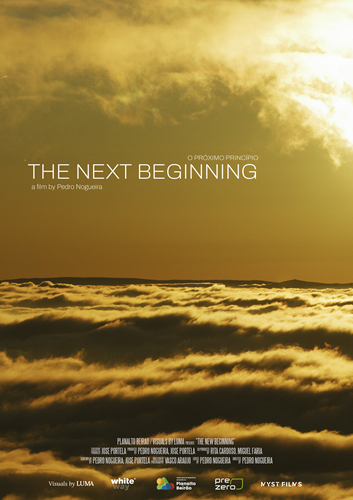
An ordinary late afternoon. A group of friends talk, laugh, live. A PET bottle runs empty. Someone, without a word, walks to the yellow recycling bin and drops it in. The sound of plastic hitting metal echoes for a moment. Then dark. Silence. It seems like an end. Time passes. The truck arrives. The bottle is pulled into the light and enters the rhythm of machines. The film finds its pulse. As the bottle passes the driver who made the collection, we pause. We go back to his morning: the street still dark, a jacket pulled on in a hurry, the high-visibility vest, hands on the wheel before sunrise. At home, quiet signs of another life. Nothing is explained. It’s just life. We return to the present. At the facility, everything accelerates. Conveyor belts, noise, metal, repetition. The bottle joins thousands of others until it reaches the hands of a sorting operator.
The film pauses again — we return to her routine, her simple and necessary day. A small detail on an everyday object. A yellow strap. Nothing is underlined. Then comes the industrial climax: the bottle is no longer a bottle. It becomes material. It is separated, pressed, compressed into a bale. That is where its journey inside the facility ends. An internal full stop. And here the film shifts. Instead of following the bale out, we return to the lives we already know — with different eyes. The same gestures, the same spaces, the same objects. And we understand that those yellow details were never coincidental. What we recycle doesn’t disappear: it comes back, woven into things we already use, wear, carry. There are objects that only exist because someone recycled before. The Next Beginning is a dialogue-free cinematic documentary. The narrative lives in image, rhythm and sound. The emotion comes from observation — the audience connects the dots on their own.
.
Filmmaker details: Pedro Nogueira
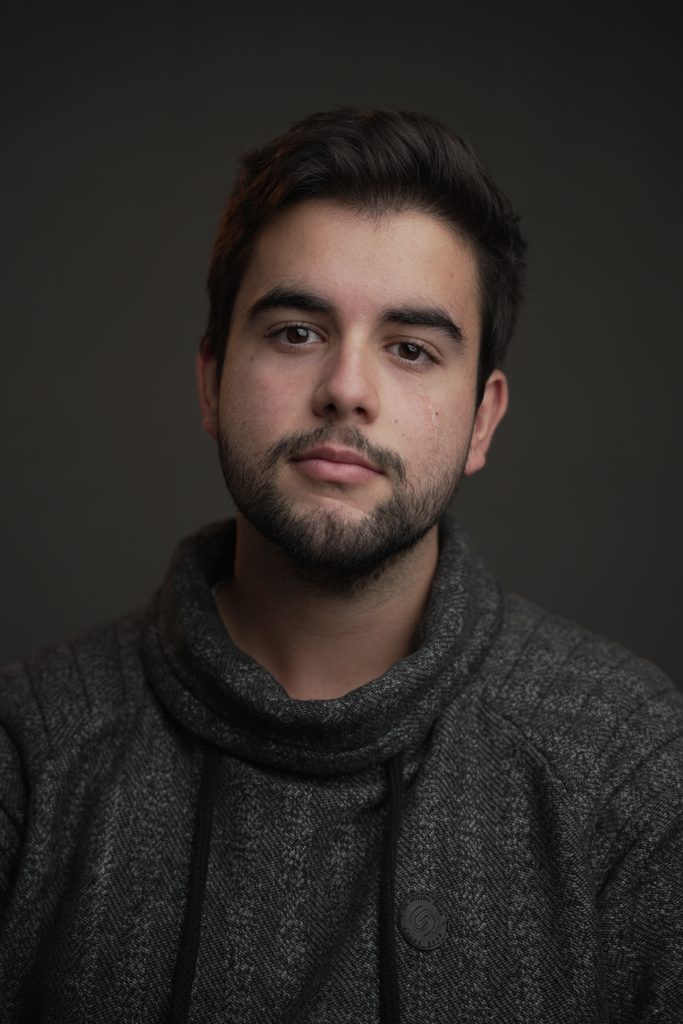
Pedro Nogueira was born in Oporto in 1997. He is a producer and director, and the founder of Myst Films and Visuals by LUMA. He launched his career in 2017 as a freelance videographer, producer and director of short films, founding Myst Films in 2023 and Visuals by LUMA in 2025. His directing credits include several films, among them Em Busca (2015), Livre (2016), Mestre Bessa (2019), and Picture Break (2024). His fiction films have been selected for more than 100 film festivals and have received over 40 awards in Portugal and internationally. He also served on the jury of the 10th Cinedita Film Festival in 2025. He is currently a member of the production team behind the feature film O Pecado Mora em Cima, which is currently in production in Portugal. Alongside his work in film industry, he develops advertising campaigns, corporate films, branded content and cultural projects. As founder of Visuals by LUMA, he leads the production of video and photography projects for brands and organisations including RTP, Graham’s, Nestlé, Hyundai, Toyota, Fujifilm, Águas de Gaia, Sonae Sierra/Continente, Symington Family Estates, Dow’s, Metro do Porto, and IN2M.