


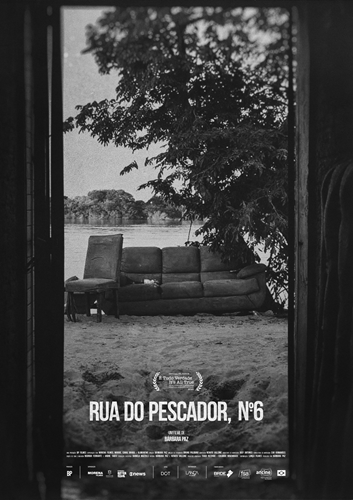
In May 2024, a devastating flood struck Rio Grande do Sul, Brazil, leaving irreparable marks on the lives of millions. The catastrophe laid bare the full scale of the climate crisis and global warming. More than 600,000 people were displaced, thousands lost their homes, and entire neighborhoods remained submerged for weeks.
The flood turned Porto Alegre, the state capital, into a war zone: streets became rivers, the Historic Center was swallowed by water, and in the city’s Arquipélago neighborhood — known as “the Islands” — the impact was even more brutal. There, nearly four thousand people saw their homes buried, not by mud, but by sand piled to extraordinary heights, while the bridges connecting the islands to the mainland disappeared underwater. It is within this context that Fisherman Street, No. 6 emerges — a historical document and an intimate portrait of tragedy. As soon as the waters receded, a small team of filmmakers from Rio Grande do Sul began documenting what remained: buried streets and destroyed homes. Yet amid the devastation, they also found something greater — the strength of a community that, even wounded, fights for its land, its memory, and its sense of belonging.
Filmmaker details: Bárbara Paz
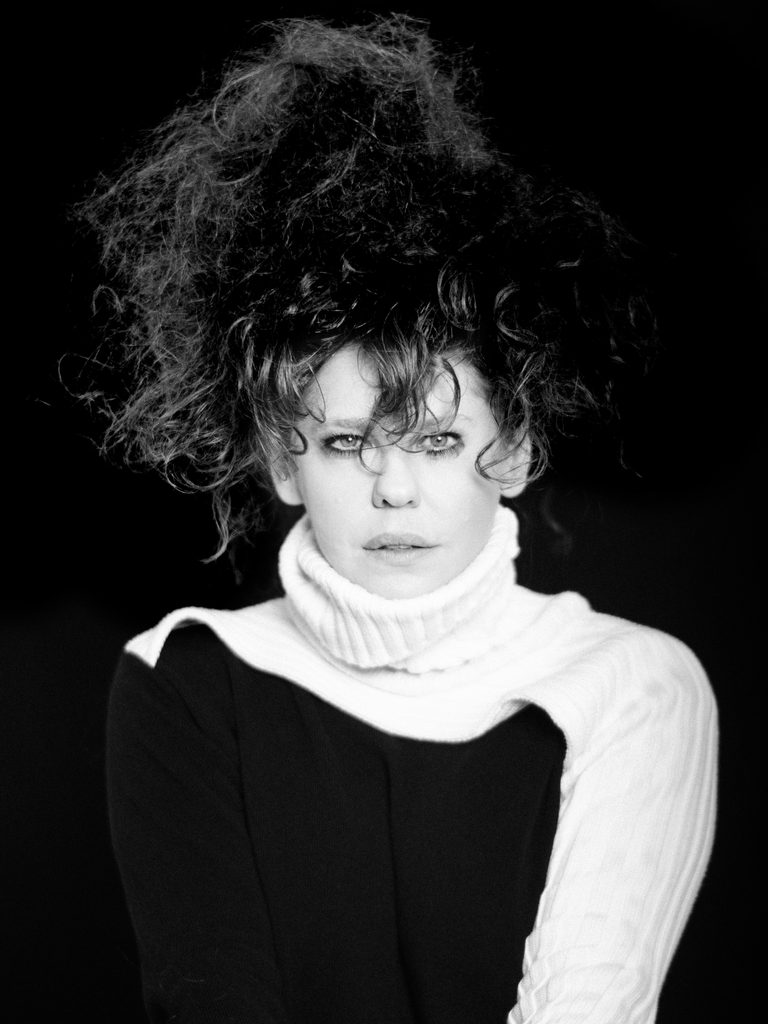
Bárbara Paz is a Brazilian director, visual artist, actress and producer. In the film industry, she has directed “BABENCO – ALGUÉM TEM QUE OUVIR O CORAÇÃO E DIZER: PAROU” (2019), which premiered at the Venice International Film Festival and won the Best Documentary award in the Venice Classics 2019 category, amongst many other international festivals. It was also selected as Brazil’s official submission for the Best International Feature Film category at the 93rd Academy Awards. In 2021, she directed the short film “ATO”, which won the Grande Otelo Award for Best Fiction Short Film at the Grande Prêmio do Cinema Brasileiro (Brazilian Academy Film Awards). As an actress, she has performed in more than 25 theatre productions, with roles in works by playwrights including Oscar Wilde and Tennessee Williams. She has starred in numerous films, including “Meu Amigo Hindu”, the last film by Hector Babenco, alongside Willem Dafoe. On television, Bárbara has appeared in several series and soap operas, and spent four years presenting the Canal Brasil programme “A Arte do Encontro”, interviewing leading figures from Brazil’s cultural and artistic scene. In 2013, she was awarded the Medal of the Order of Cultural Merit by Brazil’s Ministry of Culture. As a visual artist, she is currently exhibiting “Auto-Acusação” in galleries around the world. In 2024, she served on the official jury of the Venice International Film Festival, where she was part of the jury responsible for the Luigi De Laurentiis Award for Best Debut Film. She is currently releasing her latest documentary, “Rua Pescador No. 6”, a film which explores the devastating climate disaster that struck southern Brazil in May 2024. She is also developing her first fiction feature “Cuddle”.